
Why Chair Yoga Is Perfect for Retirement Communities

Updated: Jan 17

Retirement is often called the “golden years,” a time when we can slow down, enjoy life, and focus on health and happiness. But staying active after retirement can feel challenging. Many people face aches, reduced mobility, or the fear of injury when exercising. The truth is you don’t need to push your body through strenuous workouts to stay healthy.
That’s where chair yoga comes in. This gentle style of yoga adapts traditional poses for a seated position or with the support of a chair. It’s safe, low-impact, and accessible to nearly everyone making it the perfect choice for exercise after retirement.
At Bottoms Down, we believe movement should be for every body at every stage of life. Chair yoga makes that possible, especially in retirement communities where seniors are looking for ways to improve health, maintain independence, and connect socially.
Also Read:
Let's Get Started!
Check out our comfortable clothing for your yoga practice.
Included in this Article:
The Importance of Staying Active After Retirement
As we age, our bodies naturally go through changes. Muscles lose mass, joints stiffen, and balance may become less steady. But the solution isn’t to stop moving, it's to find safe, supportive ways to stay active.
Why movement matters after retirement:
Helps preserve independence through strength and balance.
Reduces stiffness and chronic pain.
Supports heart health, digestion, and circulation.
Boosts mood, memory, and mental clarity.
Provides meaningful daily structure and social interaction.
When paired with community, gentle exercise becomes more than fitness it becomes a way of improving quality of life.
Why Chair Yoga Works Especially Well in Retirement Communities
Not every form of exercise is well-suited for seniors, but chair yoga checks all the boxes:
Safety first: With the support of a chair, there’s less risk of falls or strain.
Accessibility: You don’t need to get on the floor or use complicated equipment.
Adaptability: Moves can be seated, standing with support, or modified for individual needs.
Community building: Classes bring people together, helping residents connect through movement and shared experience.
This combination makes chair yoga a natural fit for retirement communities that want to offer residents safe, effective wellness programs.
“Movement doesn’t have to be big to be powerful. Even gentle stretches in a chair can help you feel stronger, calmer, and more connected every day.”
– Yogi Carol
Benefits of Chair Yoga for Retirees
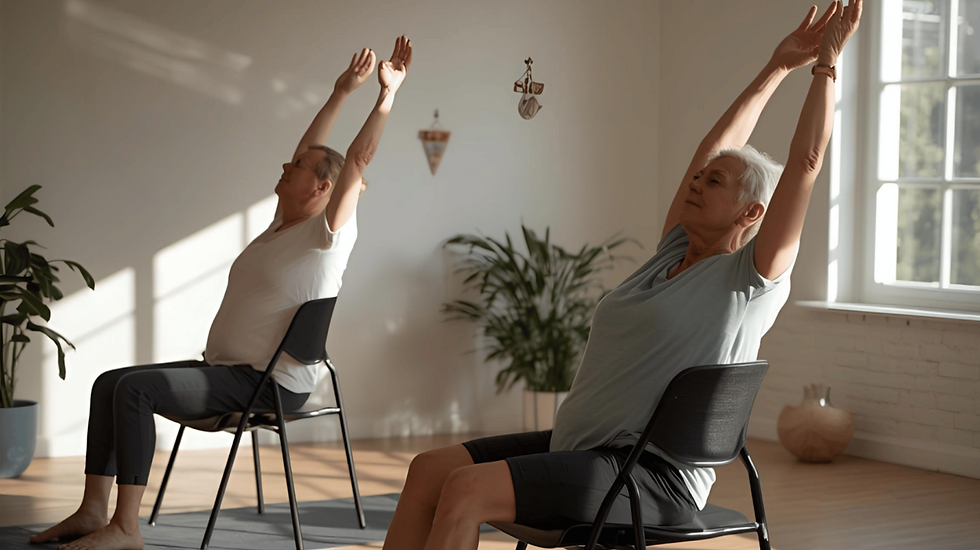
Chair yoga offers a wide range of benefits for physical, emotional, and social well-being.
Improved Mobility & Flexibility
Gentle stretches reduce stiffness and keep joints moving, which helps with everyday tasks like bending, reaching, and walking.
Better Posture and Balance
By strengthening the core and back, chair yoga helps seniors sit taller and move with more stability, reducing the risk of falls.
Joint Health & Pain Relief
Chair yoga is low-impact, which means it doesn’t put pressure on delicate joints. In fact, many participants find relief from arthritis symptoms.
Mental Clarity & Stress Relief
Breathing exercises calm the nervous system, reduce stress, and improve focus. Many retirees report better sleep after consistent practice.
Community & Connection
Practicing together creates bonds. It’s not just about the movements—it’s about laughing, encouraging each other, and sharing a moment of joy.
How to Introduce Chair Yoga into a Retirement Community
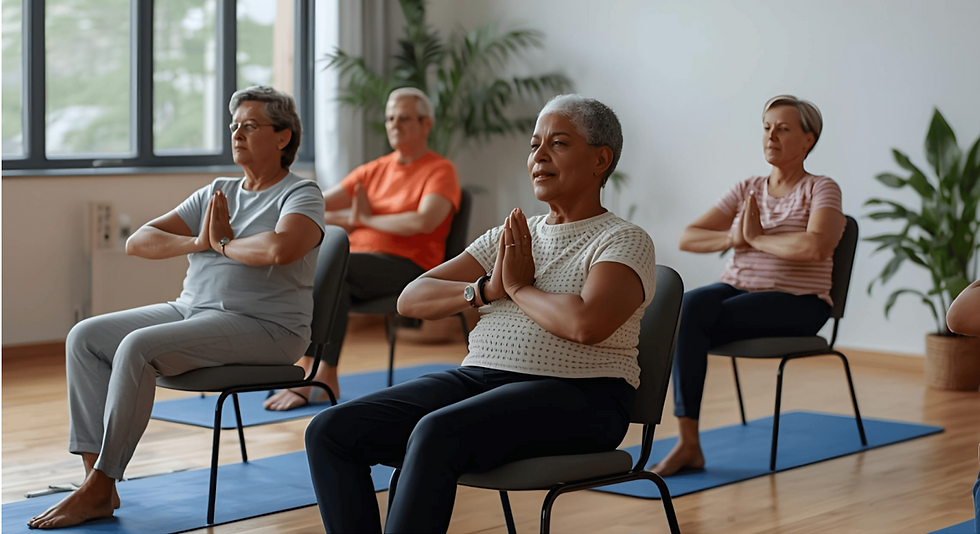
If you’re part of a retirement community, here are some ways to make chair yoga successful:
Start Small: Offer short 10–20 minute classes to ease residents into the practice.
Use Trusted Instructors: Carol’s classes are an excellent resource, as she guides gently and encourages modifications.
Provide Safe Chairs: Sturdy chairs with no wheels or arms are ideal.
Encourage Social Connection: Pair classes with tea, coffee, or social time to make it fun.
Celebrate Progress: Highlight improvements in posture, energy, or participation to keep motivation high.
If you would like help from the Bottoms Down team to bring our programming to your community please contact us here.
Featured Video: Chair Yoga with Yogi Carol
Sometimes the best way to begin is simply to follow along with a trusted guide. Come check out exactly what Chair Yoga is all about!
Sample Chair Yoga Routine for Retirement Residents
Here’s a short routine to give you a taste of what chair yoga looks like. Try each move for 3–5 breaths:
Seated Mountain Pose: Sit tall, feet flat, hands resting on thighs. Focus on posture and breath.
Shoulder Rolls: Circle shoulders backward and forward to release tension.
Seated Cat-Cow: Alternate arching and rounding your spine with the breath.
Seated Leg Lifts: Extend one leg at a time to strengthen thighs and core.
Seated Side Stretch: Raise one arm overhead and gently reach to the side.
This sequence takes just a few minutes but can leave you feeling taller, looser, and more energized.
Tips & Precautions for Seniors
Check with a physician before starting any new exercise routine.
Use chairs that are sturdy and stable. Avoid ones with wheels.
Keep a water bottle nearby.
Go at your own pace—there’s no rush in yoga.
Modify movements: it’s better to bend your knees or shorten a stretch than to strain.
Remember, consistency is more important than intensity. A little each day adds up to big results.
Conclusion
Exercise after retirement doesn’t have to be intimidating. Chair yoga offers a safe, supportive, and enjoyable way to stay active, ease pain, and boost mood all from the comfort of a chair. In retirement communities, it becomes more than exercise: it’s a way to connect, laugh, and grow stronger together.
If you’ve been looking for an approachable path to staying active after retirement, chair yoga is the perfect fit. Give Carol’s video a try, invite a friend to join, and enjoy the benefits of movement that feels good for your body.
For more resources and inspiration, visit Bottoms Down and discover how chair yoga can become a joyful part of your everyday life.
FAQs
Why is chair yoga good exercise after retirement?
Chair yoga is low-impact, safe, and adaptable for different fitness levels. It helps seniors improve mobility, strength, and balance without stressing the joints.
Can chair yoga really improve quality of life?
Yes. Beyond physical benefits, chair yoga supports mental clarity, reduces stress, and creates opportunities for social connection in retirement communities.
How often should seniors practice chair yoga?
Even 2–3 sessions a week can make a difference. Many enjoy shorter daily routines of 10–20 minutes.
What equipment is needed?
Just a sturdy, non-rolling chair. Some people also use light props like a yoga block, a yoga strap, cushions, or a towel for comfort.
Is chair yoga safe for people with arthritis or limited mobility?
Generally, yes. Chair yoga is one of the most accessible forms of exercise after retirement. That said, it’s always best to consult a physician before starting any new routine.
About the Author
Yogi Carol, co‑founder of Bottoms Down, is a certified chair yoga instructor with over two decades of experience. As a senior herself, she understands the challenges of aging and chronic pain. Carol’s warm, encouraging teaching style makes yoga accessible and enjoyable for everyone.


Comments